If you’ve ever spent an hour scrubbing your windows only to see ugly streaks appear the moment the sun hits the glass, you already know the frustration. Streak-free window cleaning isn’t just about elbow grease—it’s about the right technique, the right tools, and knowing a few professional secrets that most homeowners never learn. Over the years, we’ve cleaned thousands of windows across homes and businesses, and we’ve discovered exactly what separates crystal-clear glass from a smeary mess. In this guide, we’ll walk you through our proven process for achieving spotless windows that actually stay clean longer. Whether you’re tackling a weekend project or deciding to call in the pros, you’ll come away knowing precisely how to get the sparkling, streak-free results you’ve been chasing.
Why Your Windows Streak in the First Place
Before we can fix the problem, we need to understand what causes it. Streaks aren’t random—they’re the result of specific mistakes or conditions that leave residue behind on the glass. When we assess a customer’s windows, these are the usual culprits we identify.
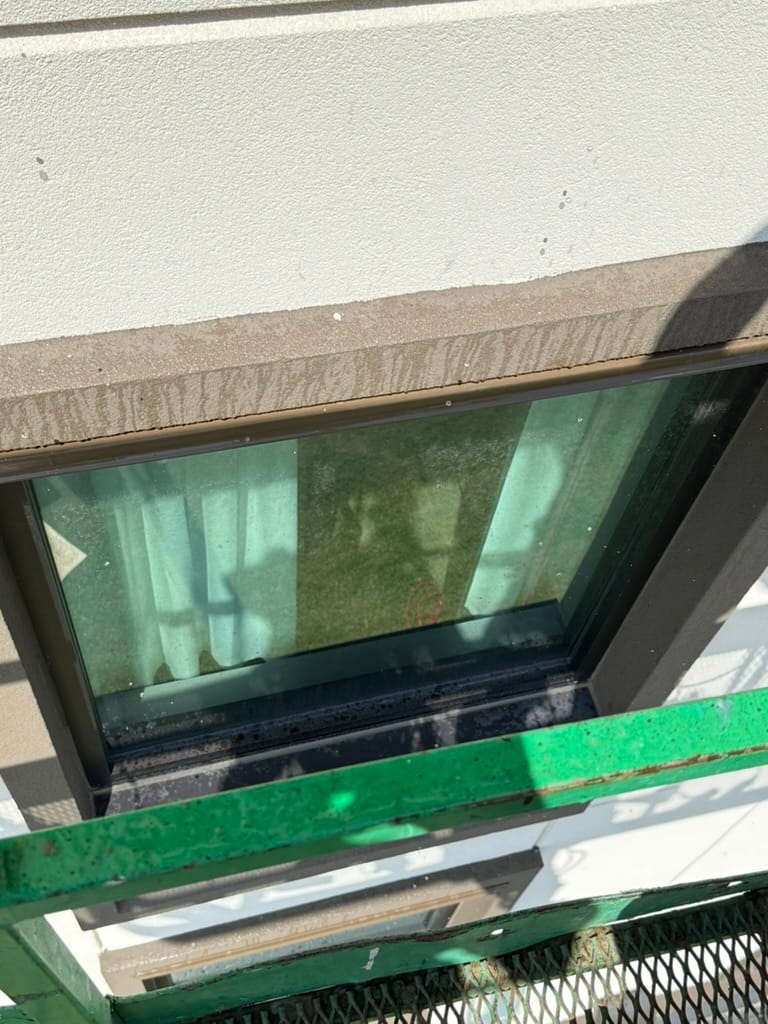
The most common cause is using the wrong cleaning solution. Many store-bought sprays contain additives and waxes that leave a film behind, which actually attracts dust and grime faster. Hard water is another frequent offender. The minerals in tap water—calcium and magnesium—dry on the surface and create cloudy spots that mimic streaks.
Here are the main reasons windows streak:
- Cleaning in direct sunlight—the solution evaporates before you can wipe it away, leaving residue.
- Using paper towels or old rags—these shed lint and push dirt around.
- Dirty cleaning water—reusing cloudy water just redeposits grime.
- Too much soap—excess detergent creates a sticky film.
- Not drying the edges—water pools and dries into visible marks.
Understanding these causes is the foundation of streak-free window cleaning. Once you eliminate these variables, you’re already halfway to glass that looks professionally done. We’ve found that simply switching from paper towels to the right materials improves results dramatically for most homeowners.
The Tools That Make Streak-Free Window Cleaning Possible
You wouldn’t paint a wall with a toothbrush, and you shouldn’t clean windows with the wrong gear either. The tools we use on every job are what allow us to deliver consistently flawless results, and the good news is most of them are affordable and easy to find.
Here’s what we recommend having on hand:
- A quality squeegee—a rubber-bladed squeegee is the single most important tool for streak-free glass. The professional T-bar style covers more area with each pass.
- Microfiber cloths—unlike paper towels or cotton rags, microfiber traps dirt and absorbs water without leaving lint.
- A bucket and scrubber—a soft washing sleeve loosens grime before you squeegee.
- Distilled or filtered water—this eliminates the mineral deposits that cause spotting.
- A gentle cleaning solution—a few drops of dish soap in water works better than most commercial sprays.
Why Microfiber Beats Everything Else
We can’t overstate how much of a difference microfiber makes. Studies on cleaning efficiency show microfiber can remove up to 99% of bacteria and residue with just water, while cotton leaves streaks and misses particles. The split fibers grab onto dust and moisture at a microscopic level, which is exactly what you need for a polished finish.
Investing in the right tools pays off quickly. Instead of buying disposable supplies month after month, a squeegee and a set of microfiber cloths will last for years and produce far better results. This is the same principle we rely on for every professional streak-free window cleaning project we take on.
Our Step-by-Step Streak-Free Cleaning Method
Now for the part you’ve been waiting for—the actual process. This is the exact sequence we follow to guarantee streak-free glass every single time. Follow it in order, and don’t skip steps, because each one builds on the last.
Step 1: Dust and remove loose debris. Before any water touches the glass, use a dry brush or cloth to sweep away cobwebs, dust, and dirt from the frame and sill. Cleaning over loose debris just creates mud and streaks.
Step 2: Mix your solution. Fill your bucket with distilled water and add just a few drops of dish soap. More soap is not better—it only adds film. Stir gently to combine.
Step 3: Scrub the glass. Dip your washing sleeve or sponge into the solution and work it across the entire window. Pay extra attention to corners and edges where grime builds up.
Step 4: Squeegee from top to bottom. Start at the top corner and pull the squeegee down in a straight, overlapping stroke. Wipe the blade with a clean microfiber cloth after each pass to avoid redepositing dirty water.
Step 5: Dry the edges. Use a dry microfiber cloth to wipe the window’s perimeter and catch any remaining drips. This final touch is what prevents those frustrating edge streaks.
Step 6: Buff out imperfections. Hold the glass up to the light and look for any spots. A quick buff with a clean, dry microfiber cloth eliminates them instantly.
This six-step method is reliable because it addresses every cause of streaking we discussed earlier. The key is working methodically and never rushing. Streak-free window cleaning is about consistency, not speed.
How to Keep Windows Clean Longer After You Wash Them
Getting windows clean is only half the battle—keeping them that way is what really saves you time and effort. We get asked constantly how to make results last, and there are several strategies we recommend to every client.
First, address the environment around your windows. Overhanging trees drop sap and pollen, sprinklers spray hard-water deposits onto the glass, and dusty areas naturally accumulate grime faster. Redirecting a sprinkler head or trimming a branch can extend your clean-window lifespan by weeks.
Here are proven ways to maintain streak-free glass:
- Apply a glass sealant—a hydrophobic coating causes water and dirt to bead up and roll off rather than cling.
- Wipe down frequently touched areas—doors and low windows collect fingerprints; a quick microfiber swipe keeps them clear.
- Clean on a cloudy day—this prevents premature evaporation and gives you more working time.
- Adjust sprinklers—keep hard water off the glass to prevent mineral spotting.
- Schedule regular maintenance—consistent light cleaning beats infrequent deep scrubbing.
The Hard Water Factor
If you live in an area with hard water, those stubborn white spots are nearly impossible to avoid with tap water alone. We often recommend using distilled water for the final rinse or installing a simple water-fed filtration pole for exterior windows. For glass already stained by mineral buildup, a dedicated hard-water remover applied before your regular wash will restore clarity. Addressing hard water is one of the most overlooked keys to lasting, streak-free window cleaning.
Maintenance doesn’t have to be a chore. A quick monthly touch-up combined with a thorough seasonal cleaning will keep your windows looking freshly professional all year long.
When to Call the Professionals Instead
We’re big believers in empowering homeowners to tackle projects themselves, but there are situations where calling a professional simply makes more sense. Knowing when to DIY and when to hire out saves you time, money, and potential injury.
Consider professional help in these scenarios:
- Multi-story buildings—reaching high windows safely requires proper equipment and training.
- Large commercial properties—the sheer volume of glass makes DIY impractical.
- Stubborn stains—mineral deposits, paint overspray, or construction residue often need specialized treatment.
- Time constraints—if your weekends are precious, outsourcing frees them up.
- Hard-to-reach skylights or atriums—these demand specialized tools and experience.
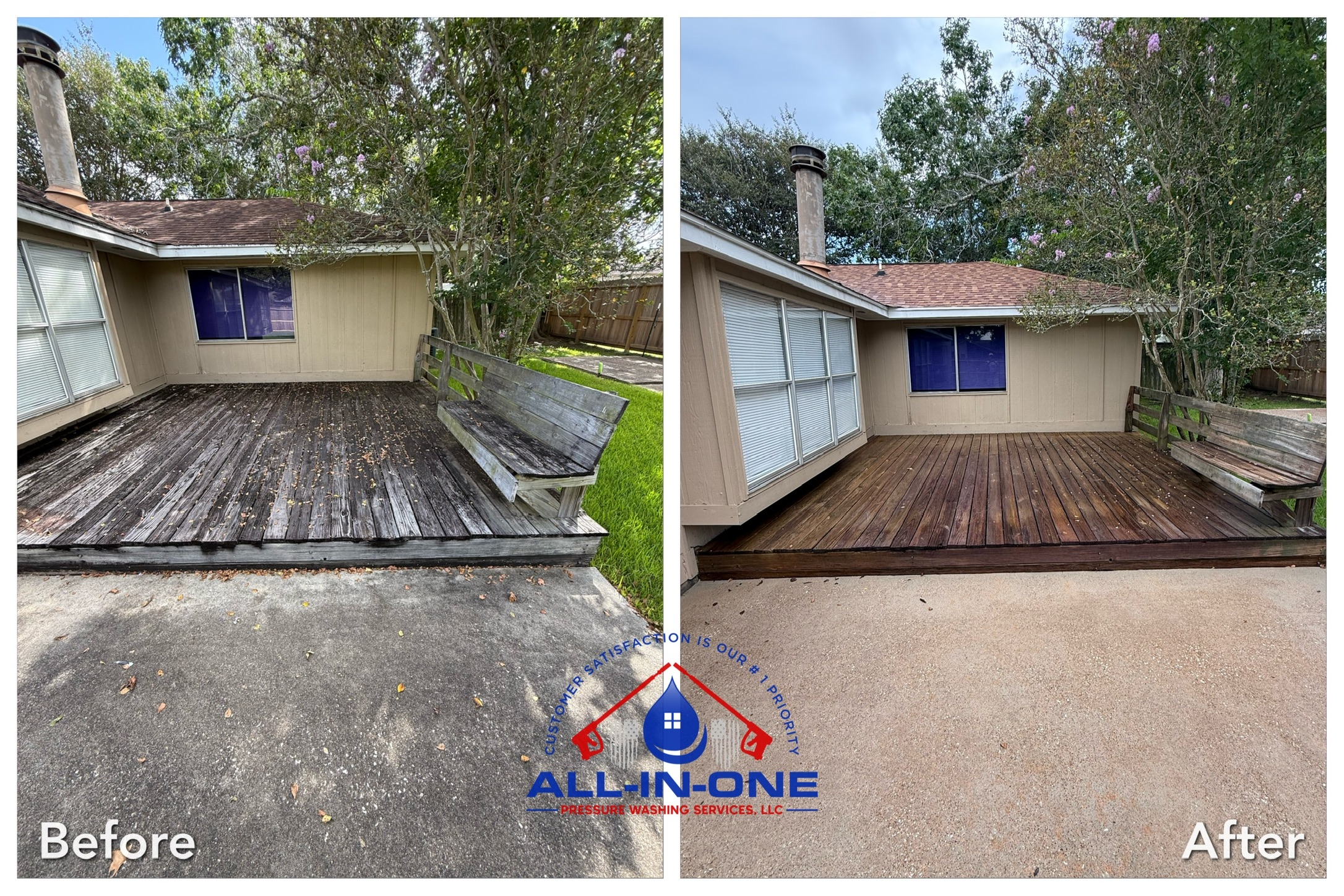
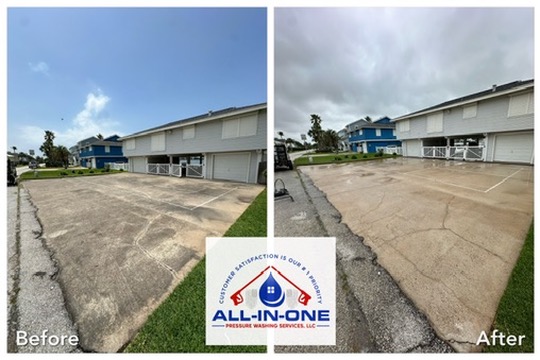
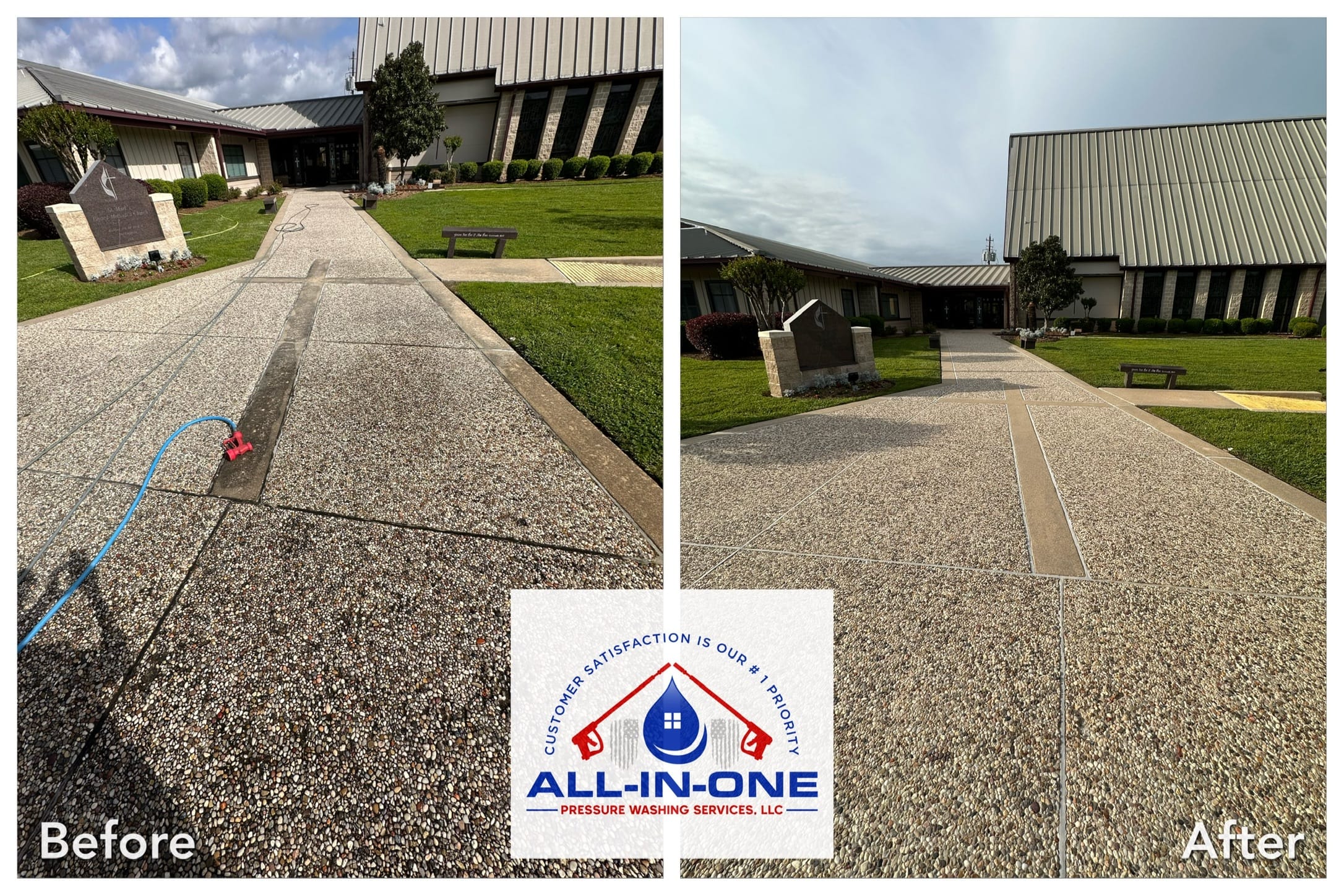
When we handle a window cleaning job, we bring commercial-grade equipment, purified water systems, and years of technique that consistently outperform DIY efforts. We also combine window cleaning with broader exterior services like pressure washing, which means your entire property gets a cohesive refresh in one visit. Clean windows against dirty siding never look as good as they could—doing both together makes a dramatic difference.
Safety is another major consideration. Climbing ladders to reach second- or third-story windows is one of the most common sources of home accidents. The cost of professional service is far lower than a hospital bill, and the results are guaranteed. For anyone unsure whether their project is a good DIY candidate, we’re always happy to offer honest guidance.
Common Mistakes That Ruin Your Results
Even with the right tools and method, a few sneaky mistakes can sabotage your hard work. We’ve seen all of them, and avoiding these pitfalls will keep your glass gleaming.
The biggest mistake is impatience. Rushing through the squeegee strokes or skipping the edge-drying step almost always leads to streaks. Take your time and treat each window as its own small project.
Watch out for these frequent errors:
- Cleaning in direct sun—we’ve mentioned it twice because it’s that important.
- Overloading on cleaner—a little soap goes a long way.
- Reusing dirty cloths—a grimy microfiber just spreads filth around.
- Ignoring the frames and tracks—dirt from these areas migrates onto clean glass.
- Using circular motions—straight, overlapping strokes work far better than circles.
Another subtle issue is neglecting the squeegee blade itself. Over time, rubber blades develop nicks and dry out, leaving thin lines of water behind. We replace our blades regularly, and you should inspect yours before each cleaning session. A fresh blade is cheap insurance against streaks.
Finally, don’t underestimate the importance of good lighting during inspection. What looks clean in dim conditions often reveals streaks in bright sunlight. Always check your work from multiple angles and in good light before calling the job finished. Mastering these details is what separates amateur results from truly professional streak-free window cleaning.
Bringing It All Together for Spotless Windows
Achieving genuinely streak-free windows comes down to three things: understanding what causes streaks, using the right tools, and following a disciplined step-by-step process. When you avoid common mistakes like cleaning in direct sunlight and relying on paper towels, you set yourself up for crystal-clear results that actually last. Add in smart maintenance habits—like managing hard water and applying a protective sealant—and your windows will stay sparkling far longer than you thought possible.
We’ve shared the same strategies we use on professional jobs every day, and we’re confident they’ll transform your own window cleaning results. But if your project involves hard-to-reach glass, stubborn stains, or you’d simply rather hand it off to experts, we’re ready to help. Visit us at All In One Pressure Washing Services to schedule your window cleaning or bundle it with a full exterior refresh. Let us give your home the streak-free, head-turning shine it deserves—reach out today and see the difference for yourself.