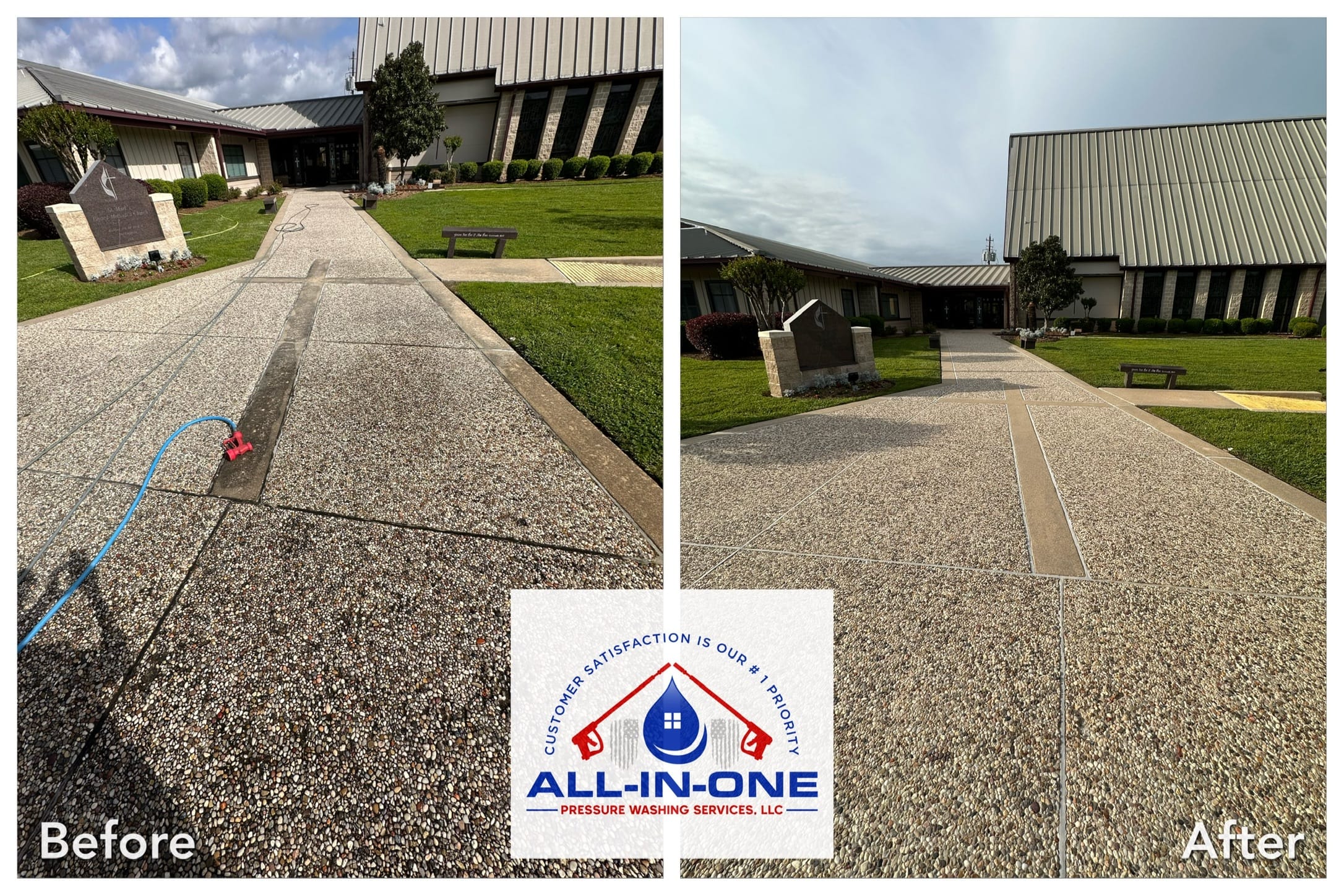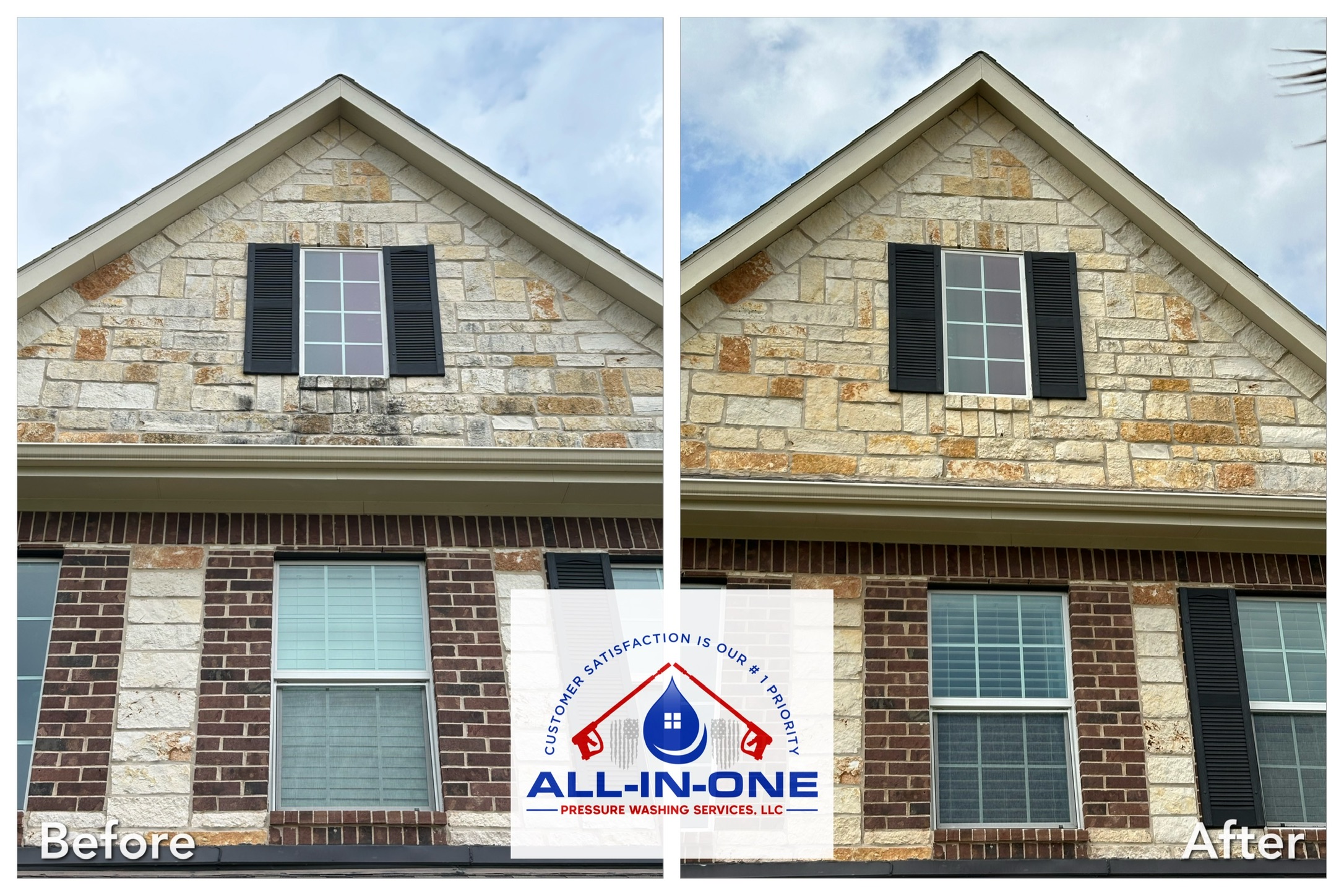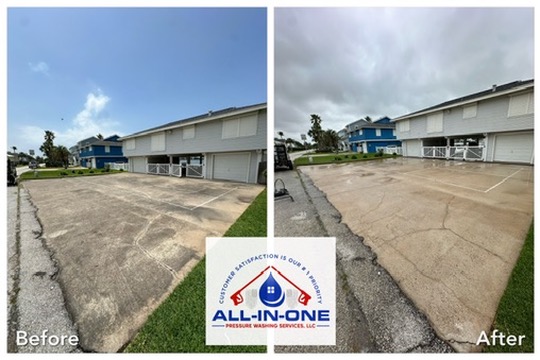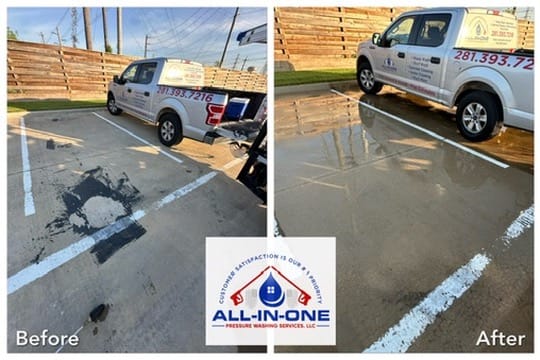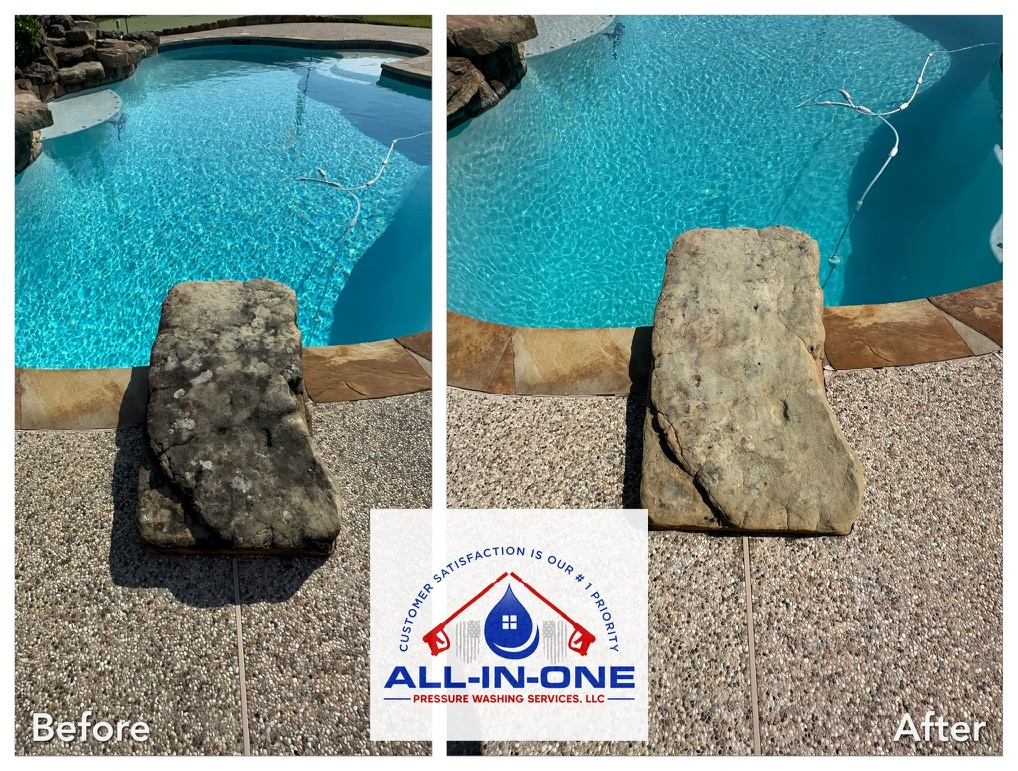
There’s nothing quite like stepping out onto a clean, bright pool deck on a hot summer afternoon. But if you’ve ever felt your foot slide on a slick patch of algae or noticed stubborn stains creeping across your concrete, you know how quickly that relaxing oasis can turn into a safety hazard. That’s where proper pool deck cleaning comes in. Over the years, we’ve helped countless homeowners transform grimy, slippery surfaces into safe, inviting spaces the whole family can enjoy. In this guide, we’ll walk you through exactly how to clean your pool deck safely, remove dangerous buildup, and keep it slip-free all season long. Whether you’re tackling the job yourself or considering professional help, you’ll leave with a clear, actionable plan.
Why Pool Deck Cleaning Matters More Than You Think
Your pool deck takes a serious beating. Between splashing water, sunscreen residue, fallen leaves, and constant foot traffic, it’s exposed to a perfect storm of grime-building conditions. The moisture that surrounds a pool creates an ideal breeding ground for algae, mold, and mildew, all of which make surfaces dangerously slick.
Beyond safety, there’s a financial angle too. A neglected deck deteriorates faster. Organic growth and embedded dirt can wear down concrete, pavers, and stone over time, leading to cracks, discoloration, and costly repairs. Regular cleaning protects your investment and keeps your outdoor living space looking its best.
Consider these common hazards we see on poorly maintained decks:
- Algae and mildew: These create an almost oil-slick texture when wet, dramatically increasing the risk of slips and falls.
- Calcium and mineral deposits: White, crusty buildup from pool water that dulls the surface.
- Rust stains: Often from metal furniture or fertilizer runoff.
- Sunscreen and oil residue: Creates a greasy film that attracts dirt and becomes slippery.
According to the Consumer Product Safety Commission, thousands of pool-related injuries happen each year, and slippery decking is a significant contributor. Keeping your deck clean isn’t just about appearances; it’s genuinely about protecting your loved ones. A consistent cleaning routine is the single most effective way to reduce these risks.
Choosing the Right Approach for Your Deck Material
Not all pool decks are created equal, and the cleaning method you choose should match your surface. Using the wrong technique or too much pressure can cause permanent damage. Let’s break down the most common materials and how we handle each one.
Concrete and Stamped Concrete
Concrete is durable and can usually handle moderate pressure washing. However, stamped or decorative concrete requires more care to avoid stripping the sealant or damaging the texture. We typically use a lower PSI combined with a surface cleaner attachment to achieve an even, streak-free finish without gouging.
Pavers and Natural Stone
Pavers look stunning but have joints filled with sand that high pressure can blast away. For these, we recommend gentle washing followed by re-sanding the joints if needed. Natural stone like travertine or flagstone is porous and can be sensitive, so a soft wash approach with the right cleaning solution works best.
Tile and Composite Decking
Pool-side tile and composite materials each have their quirks. Tile grout can harbor mold, while composite can scratch under heavy pressure. Knowing your material prevents expensive mistakes.
Here’s a quick reference for pressure settings we follow:
- Standard concrete: 2,000–3,000 PSI
- Stamped/decorative concrete: 1,200–2,000 PSI
- Pavers: 1,500–2,500 PSI (with care around joints)
- Natural stone: Soft wash, under 1,200 PSI
- Composite: 1,500 PSI or less
When in doubt, always start with lower pressure and test an inconspicuous area first. It’s far easier to increase pressure than to repair damage.
A Step-by-Step Pool Deck Cleaning Process
Over years of hands-on work, we’ve refined a process that delivers consistent, safe results. Whether you hire us or take the DIY route, following these steps in order makes all the difference.
- Clear the area. Remove furniture, planters, pool toys, and anything else resting on the deck. This gives you full access and protects your belongings from overspray and cleaning solutions.
- Sweep and rinse. Start by sweeping away loose debris, leaves, and dirt. Then give the surface a thorough rinse to loosen surface grime before applying any chemicals.
- Apply the right cleaning solution. For algae and mildew, we use a sodium hypochlorite-based solution diluted appropriately. For oil and sunscreen, a degreaser works wonders. Let the solution dwell for 10–15 minutes, but never let it dry on the surface.
- Scrub problem areas. Stubborn stains benefit from a stiff-bristled brush. Pay special attention to shaded corners where mold thrives.
- Pressure wash or soft wash. Using the correct PSI for your material, work in overlapping passes to avoid streaking. A surface cleaner attachment produces the most even results on flat decks.
- Rinse thoroughly. Flush away all cleaning residue, directing water away from your pool to avoid affecting its chemistry.
- Let it dry and inspect. Once dry, inspect for any missed spots or lingering stains that may need a second pass.
One critical safety note: always keep cleaning chemicals away from your pool water. Even small amounts of certain solutions can throw off your pool’s pH balance or react with chlorine. We carefully contain runoff and protect the pool during every job.
If you’re working with a gas-powered pressure washer, wear non-slip footwear, eye protection, and gloves. The combination of water and electricity near a pool also means you should never use corded electric equipment in wet conditions without proper GFCI protection.
Keeping Your Pool Deck Slip-Free After Cleaning
Cleaning is only half the battle. The real goal is a deck that stays safe and slip-resistant long after the pressure washer is put away. Here’s how we help our clients maintain that non-slip quality year-round.
Apply an anti-slip sealant or coating. After a deep clean, we often recommend applying a quality sealant designed for pool environments. Some sealants include fine aggregate that adds traction while protecting the surface from moisture and UV damage. This is especially valuable for smooth concrete and stone that become slick when wet.
Address drainage issues. Standing water is the enemy of a slip-free deck. If water pools in certain spots, it encourages algae growth and creates obvious slip hazards. Proper grading and drainage keep water moving away from high-traffic areas.
Stay ahead of organic growth. Algae and mold don’t wait around. In shaded or humid areas, consider these habits:
- Trim back overhanging trees and shrubs to let in more sunlight.
- Rinse the deck regularly to prevent debris from decomposing into organic food for mold.
- Spot-treat the first signs of green or black growth before it spreads.
Use slip-resistant mats in key areas. Near ladders, diving boards, and entry points, textured mats add an extra layer of safety, especially for households with children or elderly family members.
Consistency truly pays off here. A deck that’s cleaned and treated proactively requires far less intensive work down the road, and it stays safer every single day it’s in use.
DIY vs. Professional Pool Deck Cleaning
Many homeowners wonder whether they should tackle pool deck cleaning themselves or call in professionals. Both options have merit, and the right choice depends on your time, equipment, and the condition of your deck.
When DIY makes sense: If you have a relatively new deck with light dirt and own a quality pressure washer, routine maintenance cleaning is manageable. Light rinses and periodic washes keep buildup under control and can be done over a weekend.
When to call the pros: Heavy staining, extensive algae, delicate surfaces like natural stone, or decks that haven’t been cleaned in years are best handled by experienced hands. Here’s what professional service brings to the table:
- Proper equipment: Commercial-grade machines, surface cleaners, and soft wash systems that homeowners rarely own.
- Material expertise: We know exactly how much pressure each surface can handle, preventing costly damage.
- Safe chemical handling: We protect your pool, landscaping, and family from improper chemical exposure.
- Time savings: A job that might take you an entire weekend, we complete efficiently in a fraction of the time.
- Long-term results: We can seal and treat surfaces to extend the life of your cleaning.
There’s also the risk factor to consider. Pressure washers are powerful tools, and using one incorrectly near a pool can cause injury or damage. We’ve seen DIY attempts that etched concrete, blasted sand out of pavers, or left uneven streaks that required professional correction. Hiring an expert from the start often saves money and frustration in the long run.
Ultimately, a good rule of thumb is this: handle light upkeep yourself and schedule a professional deep clean once or twice a year. This combination keeps your deck in top shape without overburdening you.
Common Mistakes to Avoid During Pool Deck Cleaning
We’ve seen it all, and learning from common errors can save you a lot of headaches. Here are the pitfalls we encourage every homeowner to avoid.
- Using too much pressure: Blasting at maximum PSI feels productive, but it can permanently etch concrete, strip sealant, and damage softer materials.
- Letting chemicals dry on the surface: This causes streaking and can discolor your deck. Always keep cleaning solutions wet during dwell time.
- Ignoring the pool itself: Allowing chemical runoff into the water disrupts your pool chemistry and can be costly to rebalance.
- Skipping protective gear: Slippery wet surfaces plus powerful equipment is a recipe for injury without proper footwear and eye protection.
- Neglecting regular maintenance: Waiting until the deck is severely stained makes every cleaning harder and less effective.
- Forgetting to re-sand pavers: After washing paver joints, failing to replace the sand leads to shifting and weed growth.
Avoiding these mistakes keeps your cleaning efforts effective and your deck in excellent condition. The goal is always to work smarter, not harder, protecting both the surface and everyone who enjoys it.
Another overlooked tip: timing matters. We recommend cleaning on a mild, overcast day when possible. Direct sunlight causes cleaning solutions to evaporate too quickly, reducing their effectiveness and increasing the risk of streaks. Cooler temperatures give your products the time they need to break down grime properly.
Enjoy a Safer, Cleaner Pool Deck All Season
A clean, slip-free pool deck is the foundation of a safe and enjoyable backyard. By choosing the right cleaning approach for your material, following a careful step-by-step process, applying anti-slip treatments, and avoiding common mistakes, you can keep your deck beautiful and secure for everyone who uses it. Regular pool deck cleaning not only prevents dangerous slips but also protects your investment and extends the life of your surfaces for years to come.
Remember, light maintenance is something you can handle on your own, but a thorough professional deep clean a couple of times a year makes all the difference. If you’d rather leave the hard work to experienced hands, we’re here to help. Our team has the equipment, expertise, and dedication to deliver spotless, slip-resistant results every time. Reach out to us today at All In One Pressure Washing Services to schedule your pool deck cleaning and reclaim your backyard oasis with confidence.